
Do you suffer from heel pain when you get up in the morning? If so, you should seek professional help and have a proper diagnosis performed. Heel pain can be caused by several different foot-related conditions.
Do you suffer from heel pain when you get up in the morning? If so, you should seek professional help and have a proper diagnosis performed. Heel pain can be caused by several different foot-related conditions.
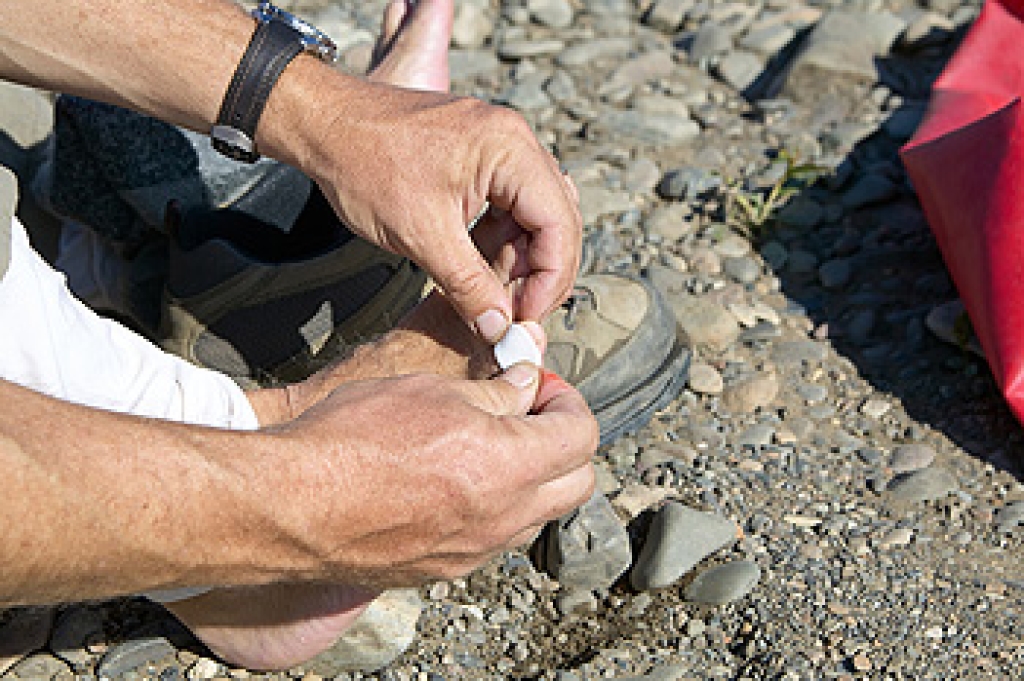
Toe pain during hiking can result from repeated impact, friction, and pressure placed on the feet over time. One of the most common causes is hiker’s toenail, a condition where the nail becomes damaged due to constant contact with the inside of the boot. This issue is especially common during long hikes or steep descents, where the toes are pushed forward repeatedly. Recognizing the definition and causes of hiking-related toe pain can help individuals take steps to prevent discomfort and injury.
Common symptoms include aching pain, swelling, redness, and sensitivity in the toes. Hikers may also notice darkened toenails, which can indicate bruising beneath the nail surface. Risk factors include poorly fitted hiking boots, long or uneven toenails, and excessive moisture within the shoe. These factors increase friction and pressure, leading to irritation and potential nail damage. Carrying heavy loads or hiking on rugged terrain can further increase stress on the toes.
Proper preparation plays a key role in preventing toe injuries. Trimming toenails before a hike helps reduce the chance of nail impact against the boot. Selecting well-fitted hiking boots with adequate toe space allows for natural movement and reduces pressure. Secure lacing can prevent the foot from sliding forward, especially on downhill paths. Moisture control through breathable socks can also help minimize friction and protect the skin from irritation.
Maintaining healthy feet is essential for safe and enjoyable hiking. Addressing risk factors and using proper gear can significantly reduce the likelihood of toe pain. These steps support comfort and help prevent long-term issues. If you have toe pain from hiking or signs of hiker’s toenail, it is suggested that you consult a podiatrist for effective relief and treatment solutions.
Toe pain can disrupt your daily activities. If you have any concerns, contact one of our podiatrists of Riznyk Podiatry. Our doctors can provide the care you need to keep you pain-free and on your feet.
What Causes Toe Pain?
Most severe toe pain is caused due to a sports injury, trauma from dropping something heavy on the toe, or bumping into something rigid. Other problems can develop over time for various reasons.
Toe pain can be caused by one or more ailments. The most common include:
When to See a Podiatrist
Diagnosis
In many cases the cause of toe pain is obvious, but in others, a podiatrist may want to use more advanced methods to determine the problem. These can range from simple visual inspections and sensation tests to X-rays and MRI scans. Prior medical history, family medical history, and any recent physical traumatic events will all be taken into consideration for a proper diagnosis.
Treatment
Treatments for toe pain and injuries vary and may include shoe inserts, padding, taping, medicines, injections, and in some cases, surgery. If you believe that you have broken a toe, please see a podiatrist as soon as possible.
If you have any questions please contact our office located in Orchard Park, NY . We offer the newest diagnostic and treatment technologies for all your foot and ankle needs.
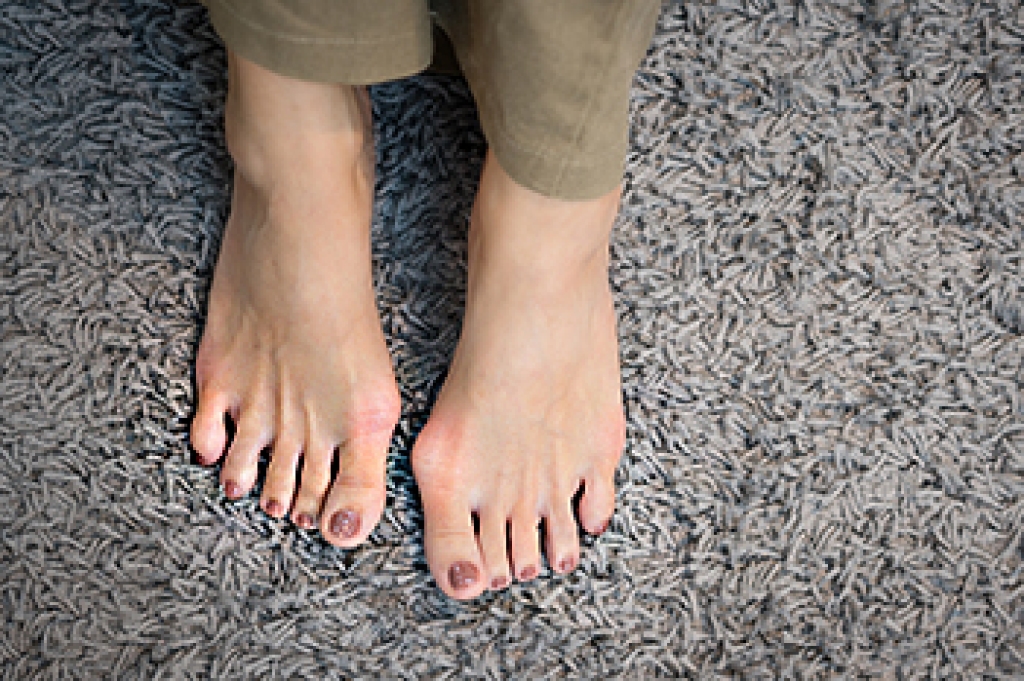
A bunion is a bony bump that forms at the base of the big toe as the joint gradually shifts out of its normal position. As the big toe begins to lean toward the smaller toes, the joint may become enlarged and painful. Bunions usually develop slowly and can become more noticeable over time. Several factors may contribute to their development, including inherited foot structure, certain inflammatory conditions, and prolonged stress on the joint. Common symptoms include pain, swelling, and redness around the base of the big toe. Some people also experience stiffness or difficulty wearing shoes comfortably. Because bunions tend to worsen gradually, a professional evaluation is important to determine the severity of the deformity and recommend the most appropriate treatment.
As a bunion progresses, it can affect the way the foot functions when walking and standing. The change in toe alignment may place extra pressure on other parts of the foot, increasing discomfort during everyday activities. In some cases, additional foot problems, such as calluses or hammertoes, may develop because of the altered position of the toes. Persistent pain may also change normal walking patterns and reduce overall mobility. A thorough podiatry examination helps evaluate joint alignment, foot mechanics, and the extent of the deformity. Early diagnosis allows treatment to begin before the condition causes greater pain or limits daily movement.
A podiatrist specializes in diagnosing and treating bunions while evaluating the overall health and function of the foot. Professional care focuses on relieving pain, improving foot function, and slowing the progression of the deformity. Treatment is tailored to each patient's condition and activity level while supporting long-term mobility. Regular podiatry visits also allow changes in the bunion to be monitored and treatment to be adjusted when necessary. If bunion pain is affecting your comfort or making it difficult to walk, it is suggested that you consult a podiatrist for an evaluation and appropriate treatment options.
If you are suffering from bunion pain, contact one of our podiatrists of Riznyk Podiatry. Our doctors can provide the care you need to keep you pain-free and on your feet.
What Is a Bunion?
Bunions are painful bony bumps that usually develop on the inside of the foot at the joint of the big toe. As the deformity increases over time, it may become painful to walk and wear shoes. Women are more likely to exacerbate existing bunions since they often wear tight, narrow shoes that shift their toes together. Bunion pain can be relieved by wearing wider shoes with enough room for the toes.
Causes
Symptoms
In order to diagnose your bunion, your podiatrist may ask about your medical history, symptoms, and general health. Your doctor might also order an x-ray to take a closer look at your feet. Nonsurgical treatment options include orthotics, padding, icing, changes in footwear, and medication. If nonsurgical treatments don’t alleviate your bunion pain, surgery may be necessary.
If you have any questions, please feel free to contact our office located in Orchard Park, NY . We offer the newest diagnostic and treatment technologies for all your foot care needs.

Foot and ankle injuries from basketball are among the most common sports-related concerns due to the fast-paced and high-impact nature of the game. Basketball requires quick direction changes, jumping, and sudden stops, all of which place stress on the lower extremities. These movements increase the risk of injury, especially when combined with fatigue or improper training. The most common injuries include ankle sprains and Achilles tendon injuries, both of which can affect performance and long-term mobility if not addressed properly.
Symptoms of ankle sprains often include swelling, bruising, and limited range of motion around the joint. Athletes may have difficulty bearing weight or feel instability when walking. Achilles tendon injuries can cause pain along the back of the heel, stiffness, and weakness, especially during push off movements. In more severe cases, a popping sensation may be felt at the time of injury. Recognizing these symptoms early can help prevent further damage and support a safer recovery process.
The causes of basketball-related foot and ankle injuries are often linked to overuse and physical demands. Longer basketball schedules with frequent games and practices can lead to fatigue, which reduces coordination and increases injury risk. Lack of neuromuscular training can also contribute, as proper balance and muscle control are essential for safe movement. Sudden changes in intensity or inadequate warm up routines may place additional strain on the joints and tendons.
Risk factors include previous injuries, poor conditioning, and wearing improper footwear that does not provide adequate support. Playing on hard surfaces and failing to allow time for recovery can further increase the likelihood of injury. Strength training and proper technique can help improve stability and reduce risk. Early care is essential for maintaining foot health and performance. If you have a foot or ankle injury from basketball, it is suggested that you consult a podiatrist for effective relief and treatment solutions.
Sports related foot and ankle injuries require proper treatment before players can go back to their regular routines. For more information, contact one of our podiatrists of Riznyk Podiatry. Our doctors can provide the care you need to keep you pain-free and on your feet.
Sports Related Foot and Ankle Injuries
Foot and ankle injuries are a common occurrence when it comes to athletes of any sport. While many athletes dismiss the initial aches and pains, the truth is that ignoring potential foot and ankle injuries can lead to serious problems. As athletes continue to place pressure and strain the area further, a mild injury can turn into something as serious as a rupture and may lead to a permanent disability. There are many factors that contribute to sports related foot and ankle injuries, which include failure to warm up properly, not providing support or wearing bad footwear. Common injuries and conditions athletes face, including:
Sports related injuries are commonly treated using the RICE method. This includes rest, applying ice to the injured area, compression and elevating the ankle. More serious sprains and injuries may require surgery, which could include arthroscopic and reconstructive surgery. Rehabilitation and therapy may also be required in order to get any recovering athlete to become fully functional again. Any unusual aches and pains an athlete sustains must be evaluated by a licensed, reputable medical professional.
If you have any questions please contact our office located in Orchard Park, NY . We offer the newest diagnostic and treatment technologies for all your foot and ankle needs.
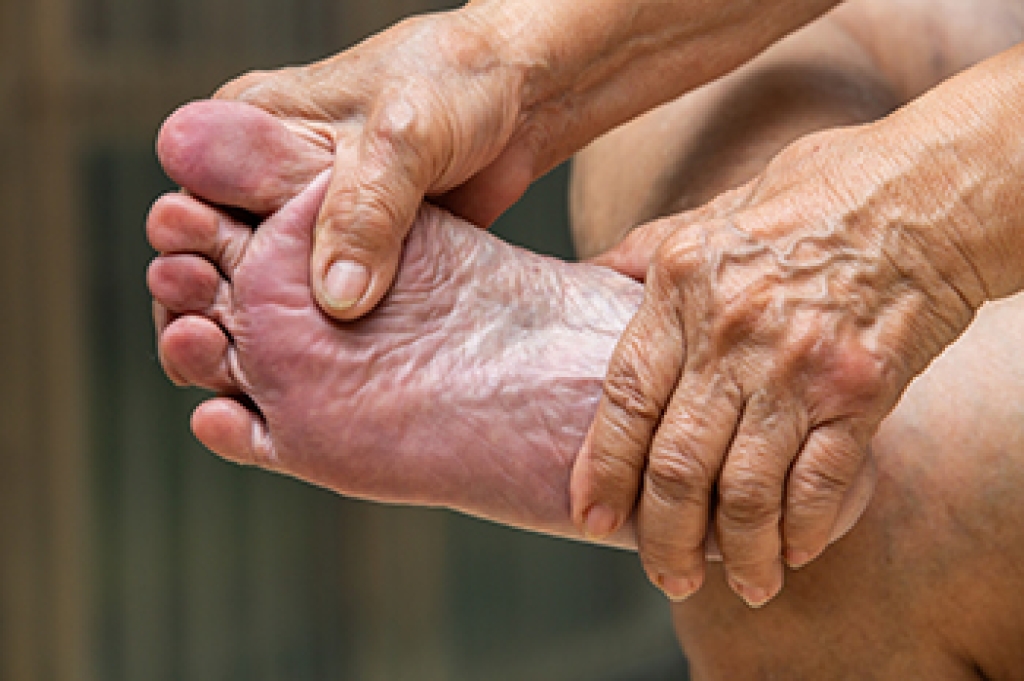
Foot problems in older adults are common due to natural aging changes, reduced circulation, and long-term wear on joints and soft tissues. These conditions can affect mobility, balance, and overall independence. Arthritis is one of the most frequent concerns, and is defined as inflammation within the joints that leads to pain and stiffness. Bunions are structural deformities where the big toe shifts toward the second toe, creating a bony bump at the base. Hammertoes occur when the smaller toes bend abnormally at the joints. Diabetes-related foot complications involve nerve damage and poor circulation that increase the risk of wounds and infection.
Symptoms vary depending on the condition, but often include pain, swelling, stiffness, and visible changes in foot shape. Individuals with arthritis may notice joint tenderness and limited motion. Bunions can cause redness and irritation, especially when wearing tight shoes. Hammertoes may lead to corns and pressure points. Diabetes-related conditions can present with numbness, tingling, or slow-healing wounds. These symptoms can worsen without proper care and lead to reduced mobility.
Risk factors for these foot problems include advancing age, decreased bone density, and long-term joint stress. Wearing poor footwear, lack of physical activity, and chronic medical conditions such as diabetes can also contribute. Circulatory issues and nerve damage can further increase complications, especially in individuals with diabetes. Over time, these factors place added strain on the feet and increase the likelihood of deformity and injury.
Managing foot health in older adults involves early detection and proper support. Wearing well-fitted shoes with adequate cushioning can reduce pressure and improve comfort. Regular foot checks are important for identifying changes before they become severe. Treatment may include orthotics, activity modification, and medical care. If you have foot problems related to age, it is suggested that you consult a podiatrist for effective relief, treatment, and management solutions.
If you need your feet checked, contact one of our podiatrists of Riznyk Podiatry. Our doctors will attend to all of your foot and ankle needs and provide you with quality treatment.
Geriatrics and Podiatry
When people age, some common issues that may occur are bone density loss, dry skin, poor circulation, and rough brittle nails. These issues may also affect your foot health if the necessary steps are not taken to alleviate the problems.
It is important to take care of your feet because feet that are injured or diseased can affect your overall health. Having painful feet hinders your ability to do daily activities or may decrease your willingness to do the things that you need to do.
Visiting Your Geriatrician
As we age, health problems become more likely, so it is essential to visit your doctor for check-ups to ensure that you are doing the best you can to take care of your health. It is recommended to check your feet frequently for any possible cuts, bruises, swelling, corns or any other irregularities.
Taking Care of Elderly Feet
Cracked or dry feet can be treated by applying moisturizer often. It is also important not to wear old socks because the older the sock is, the higher the possibility there will be that there is bacteria there. Wear fresh socks and make sure they fit properly.
Proper foot health means that you can have a more active lifestyle and you will not be bogged down by pain. Foot health also leads to good circulation, which is paramount for overall health.
If you have any questions, please feel free to contact our office located in Orchard Park, NY . We offer the newest diagnostic and treatment technologies for all your foot care needs.