
Blog

When Big Toe Surgery Is Needed

Pain at the base of the big toe can make each step uncomfortable and limit everyday activities. Arthritis damages the smooth tissue that cushions the joint, leading to stiffness and swelling. A bunion changes the joint's alignment and creates a bump beside the toe. When these problems persist, big toe surgery becomes an option. The choice depends on the cause of pain and the amount of joint damage. A podiatrist examines toe movement, checks foot alignment, and reviews X-rays. This evaluation helps determine whether removing damaged bone or choosing another procedure offers the best chance of relief.

Keller's arthroplasty is one type of big toe surgery used for selected patients with a painful, damaged joint. The surgeon removes part of the base of the first big toe bone, where it meets the long bone behind it. This creates space that reduces painful contact within the joint. Soft tissue fills the space, and some techniques place tissue between the remaining bone surfaces. The procedure aims to relieve pain while preserving some movement. Podiatrists generally consider it for older patients with lower activity demands. Age alone does not determine suitability. Foot structure and walking needs also guide the decision.

A podiatrist explains the benefits and limitations before recommending this procedure. Removing bone sometimes shortens the toe or reduces its strength when pushing off while walking. The toe might become unstable or sit higher than expected. Extra pressure beneath the smaller toes can cause pain in the ball of the foot. Other risks include infection, nerve irritation, and continued discomfort. Results vary, and surgery does not guarantee normal movement. Alternative operations address different problems. Removing bone spurs helps selected patients with less severe arthritis. Joint fusion joins the bones together to reduce pain, although it stops movement at that joint.

Recovery requires regular follow-up visits so the podiatrist can assess healing and monitor toe alignment. The care team manages dressings and checks the incision for complications. A podiatrist also determines when weight-bearing is safe and prescribes a protective shoe or boot. Healing progresses at different rates, and swelling sometimes lasts several months. Return to work depends on job demands and recovery progress. Discussing expected movement and possible changes in walking helps patients set realistic goals. If you have pain in the big toe, it is suggested that you schedule an appointment with a podiatrist for a diagnosis and appropriate treatment, which may include surgery.

Foot surgery is sometimes necessary to treat a foot ailment. To learn more, contact one of our podiatrists of Riznyk Podiatry. Our doctors will assist you with all of your foot and ankle needs.

When Is Surgery Necessary?

Foot and ankle surgery is generally reserved for cases in which less invasive, conservative procedures have failed to alleviate the problem. Some of the cases in which surgery may be necessary include:

  • Removing foot deformities like bunions and bone spurs
  • Severe arthritis that has caused bone issues
  • Cosmetic reconstruction

What Types of Surgery Are There?

The type of surgery you receive will depend on the nature of the problem you have. Some of the possible surgeries include:

  • Bunionectomy for painful bunions
  • Surgical fusion for realignment of bones
  • Neuropathy decompression surgery to treat nerve damage

Benefits of Surgery

Although surgery is usually a last resort, it can provide more complete pain relief compared to non-surgical methods and may allow you to finally resume full activity.

Surgical techniques have also become increasingly sophisticated. Techniques like endoscopic surgery allow for smaller incisions and faster recovery times.

If you have any questions, please feel free to contact our office located in Orchard Park, NY . We offer the newest diagnostic and treatment technologies for all your foot care needs.

Read more about Foot and Ankle Surgery

Running and Common Causes of Foot Pain

Running can be great exercise, but foot pain from running can make each step uncomfortable. During each stride, the feet absorb forces that may reach about three times your body weight. Repeated impact can stress bones, joints, and soft tissues. Common conditions include plantar fasciitis, stress fractures, and big toe pain called hallux rigidus. Symptoms may develop gradually or appear after changes in mileage, speed, or running surface. Paying attention to early discomfort can help prevent a bigger problem.

Plantar fasciitis affects the thick band of tissue beneath the foot. It connects the heel to the toes and helps support the arch. Runners may feel sharp heel pain with their first steps after rest. Tight calf muscles, increased training, and poor foot support can raise the risk. A stress fracture is a small crack in a bone caused by repeated loading. Pain worsens with activity and may include swelling or tenderness. Rapid training increases, hard surfaces, and inadequate recovery can contribute.

Hallux rigidus is stiffness and arthritis affecting the joint at the base of the big toe. Running can become painful when the toe bends during push-off. Symptoms may include joint pain, stiffness, or a bump on top of the joint. Risk factors include foot structure, previous injury, and repeated stress. A podiatrist can examine your foot, review your training, and check how you walk. X-rays may be recommended. Treatment may include rest, footwear changes, or other care based on the diagnosis.

You do not have to ignore running-related foot pain or push through it. A podiatrist can identify your symptoms and develop a plan for healing. Treatment may also include gradual return-to-running guidance, when appropriate. Wearing supportive shoes and increasing training slowly can help protect your feet. If you have foot pain from running, it is suggested that you consult a podiatrist for effective relief and treatment solutions, enabling you to return to this popular activity.

Foot Pain

Foot pain can be extremely painful and debilitating. If you have a foot pain, consult with one of our podiatrists from Riznyk Podiatry. Our doctors will assess your condition and provide you with quality foot and ankle treatment.

Causes

Foot pain is a very broad condition that could be caused by one or more ailments. The most common include:

  • Bunions
  • Hammertoes
  • Plantar Fasciitis
  • Bone Spurs
  • Corns
  • Tarsal Tunnel Syndrome
  • Ingrown Toenails
  • Arthritis (such as Gout, Rheumatoid, and Osteoarthritis)
  • Flat Feet
  • Injury (from stress fractures, broken toe, foot, ankle, Achilles tendon ruptures, and sprains)
  • And more

Diagnosis

To figure out the cause of foot pain, podiatrists utilize several different methods. This can range from simple visual inspections and sensation tests to X-rays and MRI scans. Prior medical history, family medical history, and any recent physical traumatic events will all be taken into consideration for a proper diagnosis.

Treatment

Treatment depends upon the cause of the foot pain. Whether it is resting, staying off the foot, or having surgery; podiatrists have a number of treatment options available for foot pain.

If you have any questions, please feel free to contact our office located in Orchard Park, NY . We offer the newest diagnostic and treatment technologies for all your foot care needs.
Read more about Foot Pain

Recognizing Gout in the Feet

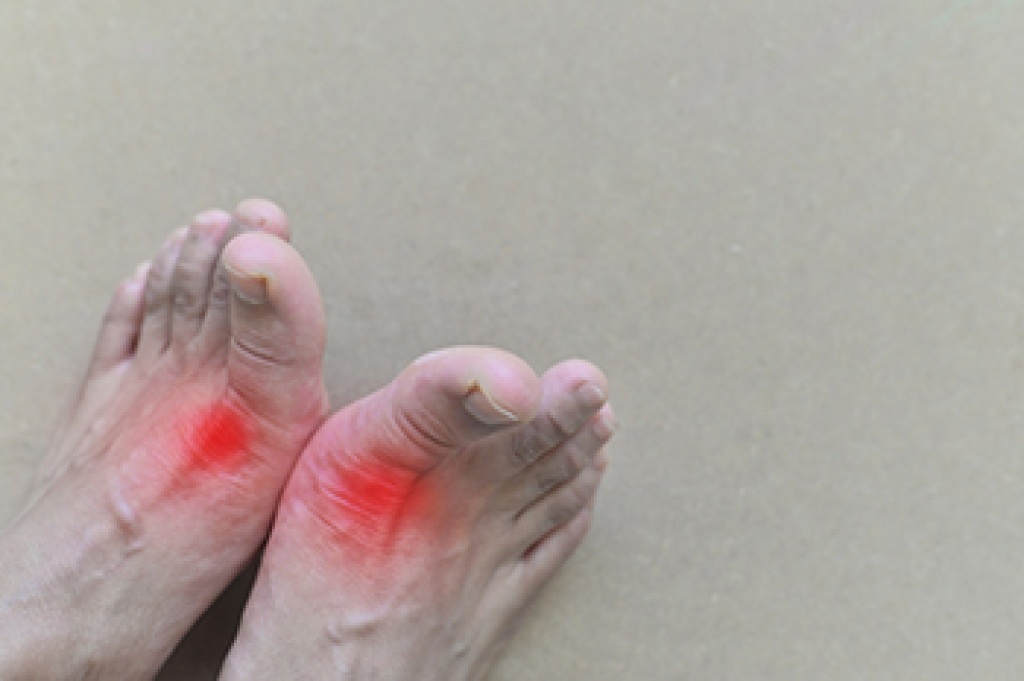
Gout often begins with sudden, intense pain in a joint, sometimes appearing overnight without warning. This form of inflammatory arthritis develops when uric acid builds up and forms sharp crystals inside a joint. Uric acid is a substance produced as the body breaks down certain natural compounds. When crystals collect, they trigger inflammation that causes significant discomfort. The big toe is a frequent location for gout, although the condition may also affect the ankle or other joints in the foot. Gout attacks, sometimes called flare-ups, may occur unexpectedly and make even light pressure uncomfortable. Elevated uric acid levels do not always lead to symptoms, and some people experience long periods between attacks. Understanding how gout develops helps to explain why recurring foot pain deserves attention.


During a gout flare-up, the affected joint may become swollen, red, and unusually warm. Pain often reaches its greatest intensity within the first day and may make walking or wearing shoes difficult. The skin around the joint may appear shiny or feel extremely sensitive to touch. Symptoms sometimes improve after several days, but another attack may develop later. Repeated episodes may eventually damage joints and interfere with normal foot movement. Certain factors, including kidney problems and a family history of gout, may increase the likelihood of developing the condition. Some medications may also affect uric acid levels. Because sudden joint pain may have different causes, identifying gout requires more than recognizing swelling or redness. A careful assessment helps distinguish gout from other problems affecting the feet.


A podiatrist evaluates suspected gout by reviewing the pattern of symptoms and examining the painful joint. The examination focuses on swelling, tenderness, and changes in movement. When appropriate, diagnostic testing may help confirm whether uric acid crystals are responsible for the inflammation. Podiatric treatment focuses on reducing discomfort during flare-ups and protecting joint function over time. The podiatrist may discuss treatment options for managing inflammation and monitor how repeated attacks affect walking. Ongoing care is important because gout may return even after symptoms disappear. Addressing recurring attacks helps limit their effect on mobility and everyday activities. If you experience sudden, severe pain or repeated swelling in your big toe or another foot joint, it is suggested that you consult a podiatrist for an evaluation and appropriate treatment options.

Gout is a foot condition that requires certain treatment and care. If you are seeking treatment, contact one of our podiatrists from Riznyk Podiatry. Our doctors will treat your foot and ankle needs.

What Is Gout?

Gout is a type of arthritis caused by a buildup of uric acid in the bloodstream. It often develops in the foot, especially the big toe area, although it can manifest in other parts of the body as well. Gout can make walking and standing very painful and is especially common in diabetics and the obese.

People typically get gout because of a poor diet. Genetic predisposition is also a factor. The children of parents who have had gout frequently have a chance of developing it themselves.

Gout can easily be identified by redness and inflammation of the big toe and the surrounding areas of the foot. Other symptoms include extreme fatigue, joint pain, and running high fevers. Sometimes corticosteroid drugs can be prescribed to treat gout, but the best way to combat this disease is to get more exercise and eat a better diet.

If you have any questions, please feel free to contact our office located in Orchard Park, NY . We offer the newest diagnostic and treatment technologies for all your foot care needs.

Read more about Everything You Need to Know About Gout

Understanding Broken Foot Injuries

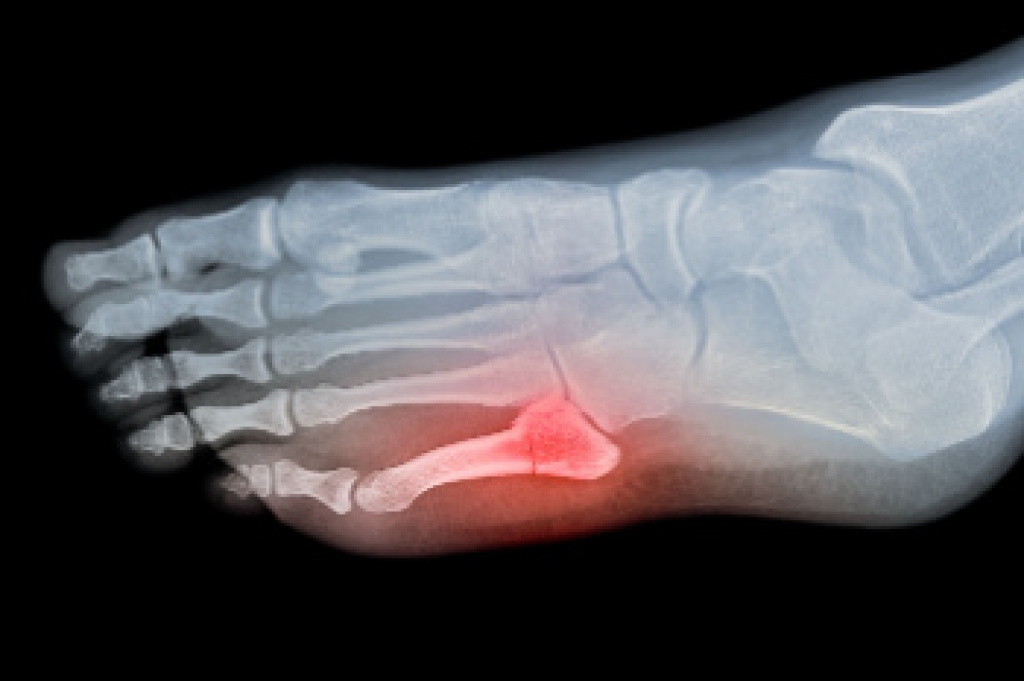
A broken foot occurs when one or more of the bones in the foot crack or break. The foot contains 26 bones that work together to support body weight, maintain balance, and allow movement. Foot fractures may result from sudden injuries, such as falls or direct impacts. They may also develop from repeated stress placed on the bones during physical activity. These smaller injuries, known as stress fractures, often develop gradually rather than from a single accident. The severity of a broken foot depends on the location of the fracture and whether the bone remains properly aligned. Some fractures involve minor cracks, while others cause more serious damage that affects normal foot function.


Symptoms of a broken foot often include pain, swelling, and bruising around the injured area. The discomfort may become more noticeable when standing or walking. Some individuals experience tenderness when pressure is placed on the affected bone. More severe fractures may cause visible changes in foot shape or significant difficulty bearing weight. However, certain fractures still allow limited walking, making the injury difficult to recognize without an examination. Stress fractures may begin with mild discomfort that gradually worsens during physical activity. Without appropriate treatment, a broken foot may heal improperly or lead to ongoing pain. Identifying the injury early is important for protecting the affected bones and supporting proper recovery.


A podiatrist evaluates suspected foot fractures by examining the injured area and identifying signs of bone damage. X-rays are commonly used to locate fractures and determine their severity. Treatment depends on the type of fracture and the position of the affected bones. Some injuries require immobilization with a cast or walking boot, while more complex fractures may require surgery. Follow-up evaluations help monitor bone healing and guide recovery. If you are experiencing persistent foot pain or swelling after an injury, it is suggested that you consult a podiatrist for an evaluation and appropriate treatment options.

A broken foot requires immediate medical attention and treatment. If you need your feet checked, contact one of our podiatrists from Riznyk Podiatry. Our doctors can provide the care you need to keep you pain-free and on your feet.

Broken Foot Causes, Symptoms, and Treatment

A broken foot is caused by one of the bones in the foot typically breaking when bended, crushed, or stretched beyond its natural capabilities. Usually the location of the fracture indicates how the break occurred, whether it was through an object, fall, or any other type of injury. 

Common Symptoms of Broken Feet:

  • Bruising
  • Pain
  • Redness
  • Swelling
  • Blue in color
  • Numbness
  • Cold
  • Misshapen
  • Cuts
  • Deformities

Those that suspect they have a broken foot shoot seek urgent medical attention where a medical professional could diagnose the severity.

Treatment for broken bones varies depending on the cause, severity and location. Some will require the use of splints, casts or crutches while others could even involve surgery to repair the broken bones. Personal care includes the use of ice and keeping the foot stabilized and elevated.

If you have any questions, please feel free to contact our office located in Orchard Park, NY . We offer the newest diagnostic and treatment technologies for all your foot care needs.

Read more about Causes, Symptoms, and Treatment for a Broken Foot
Connect With Us